
It is inevitable for industrialization and agricultural activities, along with the increasing population on the world, to consume limited underground and aboveground resources. The fact that the decreasing resources become unusable; the problem of water supply becomes an important issue.
Reverse Osmosis Systems
Reverse Osmosis technology is the ultimate point reached in membrane filtration technologies today.
It’s a system that involves applying high-pressure in order to regain or remove dissolved organic and inorganic substances from wastewater so that it can be reused.Developed in late 1950’s with the support of US government as a method for desalination of seawater, Reverse Osmosis (RO) has been used for industrial and municipal water filtration purposes since the 70’s.
How does Reverse Osmosis work?
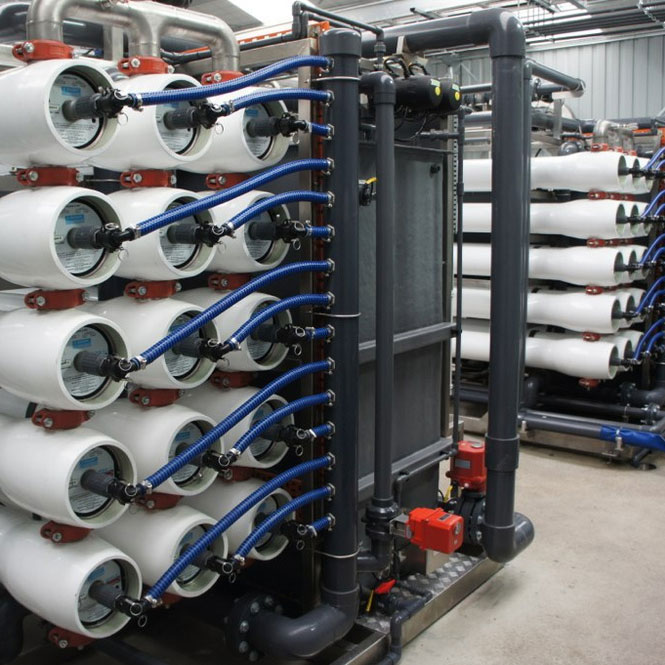
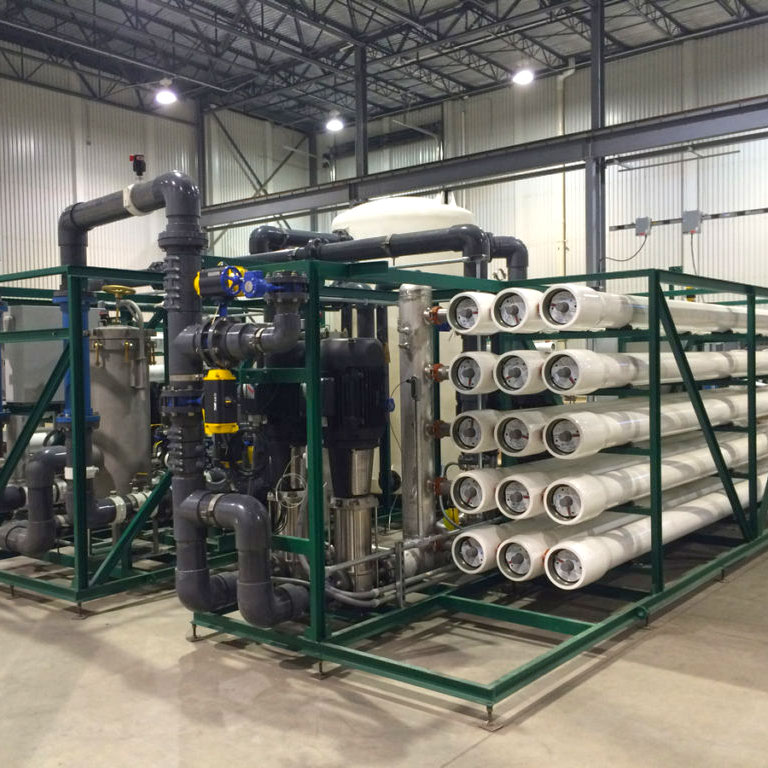
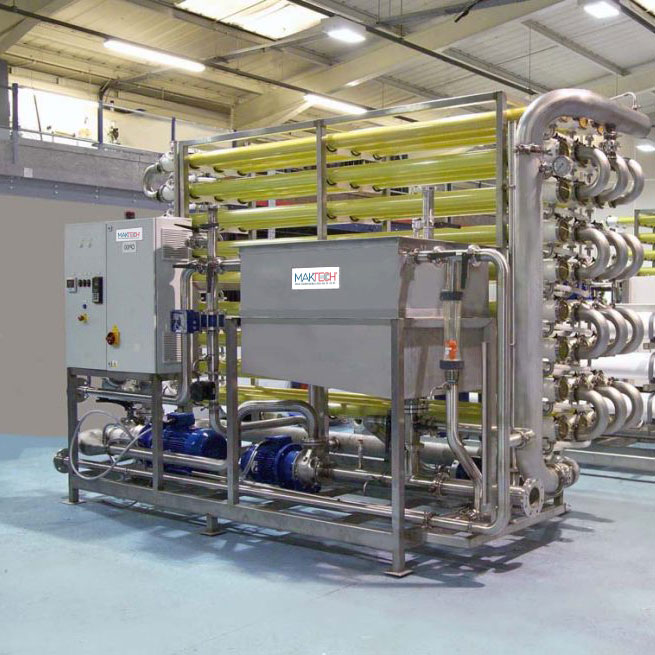
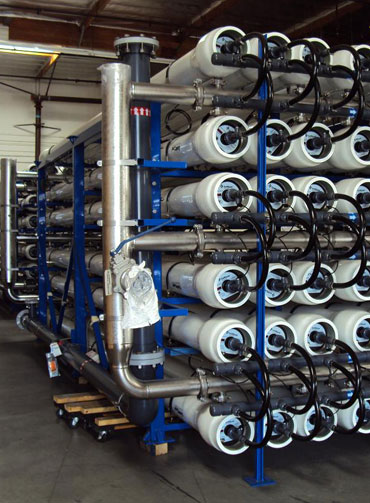
High pressures are required during a reverse osmosis process. Pressure applied to the water to be purified is supplied through a pump. The water on which pressure is applied by the pressure pump in reverse osmosis system is transferred to membranes containing pores of 5 angstrom size, trapping dissolved matter (pollutants) on one side of the membrane while allowing the passage of purified water on the other. Thus the process of water purification is carried out. The dense concentrated water from the waste line is diverted to drainage.The basic components of the Reverse Osmosis System are as follows:


PARTNERS
Our awesome partners we've had the pleasure to work with!